







- 首頁
- Blog
- How Should Temples and Buddhist Organizations Manage Their Websites? 8 Practical Ways to Attract New Followers
How Should Temples and Buddhist Organizations Manage Their Websites? 8 Practical Ways to Attract New Followers
2024 / 07 / 11
Author: Arachne Group Limited Web Design & Digital Marketing Advisory Team丨 Article Reviewer: Edwin, Head of Marketing丨 Last Updated: October 28, 2026
Key Takeaways:
Core Pain Point: Beginners searching for Buddhism are usually seeking solutions to mental and emotional stress, rather than studying deep doctrines. Websites should start from a "problem-solving" perspective, rather than just passively displaying religious information.
Key Features: 7 essential features for temple websites—a clear homepage CTA, transparent event pages, a beginners' section, simplified online registration, local transit guides, real-time contact channels, and HTTPS privacy protection.
SEO/GEO AI Optimization Strategies:
1. Local SEO: Maintain a Google Business Profile and target local keywords (e.g., "Region + Meditation").
2. Generative Engine Optimization (GEO): Deploy Place Of Worship, Event, and FAQ Page structured data (Schema), and create Q&A format articles to boost AI summary citation rates.
E-E-A-T & Trust Building: Clearly state professional medical boundaries for spiritual and mental health content, respect participant privacy, and build high trust.
Performance Metrics: Focus on real interactive conversions like "registration form completion rate, inquiry frequency, and direction clicks," rather than just page views.
Many people encounter Buddhism for the first time not to study profound doctrines, but to find a way to settle their minds and bodies when facing stress, loss, family changes, or life choices. If a Buddhist website starts from these practical needs by providing clear introductory information, event registration methods, and trustworthy contact channels, visitors will be much more willing to explore Buddhism further than if the site simply displays teachings or temple photos.
For temples, Buddhist societies, meditation centers, or dharma propagation groups, a website is not just an online business card; it is a gateway for newcomers to find activities, understand Buddhism, and build trust. Below is a summary of key points for Buddhist website production, content planning, SEO, AI Search Engine Optimization (GEO) methods, and marketing approaches tailored for Buddhist organizations.
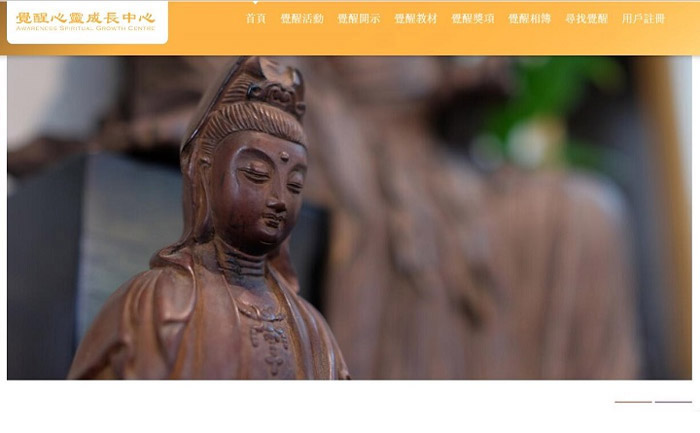
People who want to learn about Buddhism usually do not start by searching for "taking refuge" or "becoming a monastic." They often begin with specific questions, such:
- Where should a beginner start learning Buddhism?
- What is meditation? Can beginners join?
- Are there any Buddhist events or temples nearby?
- What should I keep in mind for my first visit to a temple?
- How do I sign up for Buddhist classes, meditation retreats, or dharma services?
- How does Buddhism view stress, anxiety, parent-child relationships, or life choices?
- Is there a fee to participate in activities? What do I need to prepare?
Therefore, the content of a Buddhist website should not only stem from what the organization wants to convey, but should first address what problems visitors want to solve. When a website can clearly answer these questions, it becomes much easier for new visitors to turn from "just browsing" to "willing to participate."
The homepage should quickly inform visitors about:
- Which temple, society, or center this is
- What main activities are offered, such as Buddhist classes, meditation, dharma services, group practice, or parent-child events
- Whether beginners are welcome
- What the next step is, such as viewing events, registering, contacting, or visiting in person
It is recommended to place clear Call-to-Action (CTA) buttons on the homepage, such as "View Upcoming Events," "Buddhism for Beginners," or "Contact Us." Avoid relying solely on large banners, extensive scripture passages, or jargon that is difficult to understand.
The events page is where prospective attendees are most likely to convert. Each event listing should clearly state:
- Event title, date, and time
- Location, address, and transportation guidance
- Event details and target audience
- Whether registration is required, fees, and capacity limits
- Registration deadline
- Recommended attire or items to bring
- Contact person and contact information
- Registration button or form link
For example, an introductory meditation class page can explicitly state: "Suitable for first-timers," "No Buddhist background required," "Duration is approximately 2 hours," and "Please wear loose clothing," accompanied by a registration link. Such concrete details reduce hesitation among newcomers far better than a generic "Everyone is welcome."
An introductory section helps visitors without a religious background establish a basic understanding. Key components to include:
- What is Buddhism?
- Basic introductions to the Buddha, the Dharma, and the Sangha
- Explanations of common Buddhist terms, such as Karma, Compassion, Meditation, and Refuge
- Where beginners can start (e.g., recommended books, courses, or events)
- Guidelines for visiting a temple or attending a dharma service for the first time
- Frequently asked questions, such as whether vegetarianism or taking refuge is mandatory, or whether children can join
Avoid overwhelming readers with too many specialized terms at once. Using everyday language and embedding links to relevant courses or activities at the end of the text allows visitors to explore further naturally.
If your organization regularly hosts courses, meditation sessions, dharma services, or volunteer activities, setting up an online registration feature is strongly recommended. Registration forms should only collect essential information, such as name, phone number, email, number of participants, and any special requirements.
Avoid requesting excessive personal data upfront, such as home address, ID numbers, family background, or personal health records. If collecting such data is unavoidable, clearly explain its purpose, storage methods, and how users can request data access or deletion.
Accurate address and transit information are crucial for visitors planning a physical visit. Provide the following on your "Contact Us" or "Visitor Guide" pages:
- Full physical address
- Google Maps link or embedded map
- Public transit routes
- Parking details
- Opening hours
- Reservation requirements (if any)
- Accessibility facilities
- Contact phone number, email, or messaging channels
This information also greatly enhances Local SEO performance. When someone searches for "temples near me," "Hong Kong meditation courses," or "Buddhist event registration," consistent address, operating hours, and event details improve your chances of being found.
First-time visitors often have questions like "Can I attend without a Buddhist background?", "Can I bring my children?", or "Do I need to sign up in advance?". The website should offer clear communication channels, such as phone, email, WhatsApp, online contact forms, or social media handles.
It is also beneficial to display expected response times, such as "We usually respond within 1 to 2 business days." This sets clear expectations and builds far more trust than a standalone email address.
Buddhist organizations frequently handle event registrations, donation records, subscriber lists, or activity photos. The website should explain in clear, simple language:
- What personal data is collected
- The purpose of data collection
- Whether the data will be used for newsletters or event updates
- Whether data is shared with third-party tools/systems
- How long data is retained
- How users can unsubscribe, review, correct, or delete their information
- Whether the site uses HTTPS encryption
Protecting personal data is not just a technical requirement; it is a fundamental sign of respect for participants. Transparent data handling minimizes concerns for newcomers signing up, subscribing, or donating.
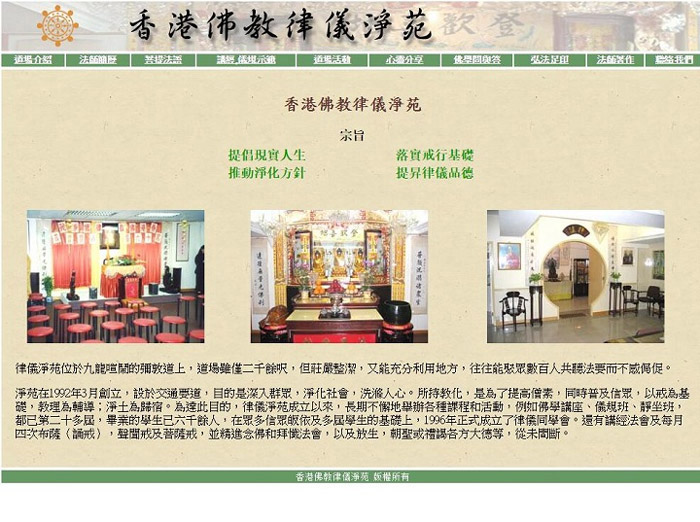
Buddhist websites do not require flash animations or overly complex visual effects. Clean, stable, and readable designs are far more effective for first-time visitors.
Consider the following:
- Use low-stimulation palette colors like off-white, soft gold, light blue, or muted green as main tones
- Ensure sufficient contrast between text and background
- Utilize legible fonts and suitable font sizes
- Minimize auto-playing videos, flashing animations, or intrusive pop-ups
- Keep primary event and contact access points prominent on the homepage
Traditional motifs like lotuses, Buddha statues, scriptures, or temple architecture can be incorporated tastefully, but they should serve the content rather than clutter the page.
Most people search for events, check maps, or register for courses on mobile phones. Ensure your site provides:
- Large, finger-friendly clickable buttons
- Streamlined form fields
- Compressed images for fast page loading speed
- Directly clickable phone numbers, map links, and registration links
- Event dates and locations that remain easily readable on small screens
The audience for a Buddhist website may include seniors, individuals with visual or hearing impairments, or users less comfortable with technology. Recommended implementations:
- Adjustable text sizing options
- Clear image alt text (alternative text)
- High-contrast text colors
- Keyboard-accessible navigation
- Video subtitles or text transcripts
- Simple, clear form validation error messages
These features not only accommodate specific demographic needs but also enhance the overall user experience for everyone.
Move beyond abstract statements like "Buddhism teaches compassion." Address real, practical questions faced by beginners, such as:
- What should I know before attending my first meditation class?
- Is the concept of "Karma" in Buddhism fatalistic?
- Do beginners have to become vegetarian or take refuge?
- What are the basic etiquette rules when visiting a temple?
- How do I choose the right Buddhist study class for myself?
Articles can follow a structure of "Question — Short Answer — Detailed Explanation — Common Misconceptions — Next Step Recommendations."
Event pages should include thorough details in advance, while post-event updates can feature photos, videos, attendee feedback, or key takeaways. Always obtain prior consent before publishing photos, names, or testimonials from participants, and avoid disclosing sensitive personal information.
FAQs directly resolve doubts for newcomers and are easily interpreted by search engines and AI search platforms. Common topics include:
- Can I participate if I don't have a Buddhist background?
- Do I need to take refuge before joining a meditation session?
- Are there any fees for participating in activities?
- Can I bring my children?
- What should I wear for my first temple visit?
- How do I register for or cancel an activity?
- How will my personal data be used?
When publishing lectures or teachings from monastics, add a clear title, date, key summary points, and links to related events. Avoid posting lengthy, raw transcripts. Instead, organize the content into scannable paragraphs suitable for web reading, while citing original sources and review details.
Stories from students or volunteers add warmth and human connection to your website. However, avoid framing spiritual experiences as "guaranteed solutions" to life's problems. Focus on practical journeys instead, such as:
- Why they decided to sign up for a course
- Their initial nervous feelings or questions during the first visit
- Key insights or takeaways gained
- How they continue practicing moving forward
When addressing mental health, family relations, or severe personal difficulties, explicitly avoid claiming that Buddhist practice replaces medical treatments. Remind readers to seek professional medical or psychological support when needed.
If your temple or center has a physical location, set up and maintain a Google Business Profile containing:
- Accurate name, address, and phone number
- Opening or operating hours
- Website link
- Event announcements
- High-quality facility photos
- Transit and parking details
- Timely responses to visitor reviews
Keep this information fully synchronized with your official website to prevent discrepancies in address, phone numbers, or schedules.
Beyond general site content, build localized information pages, such as:
- "Meditation Classes in Hong Kong Island / Kowloon / New Territories"
- "First-Time Visitor Guide to [Temple Name]"
- "Buddhist Activities and Group Practice Schedules in [District Name]"
- "Transit and Parking Guide near [Temple Name]"
Ground these pages on genuine, helpful information rather than generating thin, repetitive pages purely for search rankings.
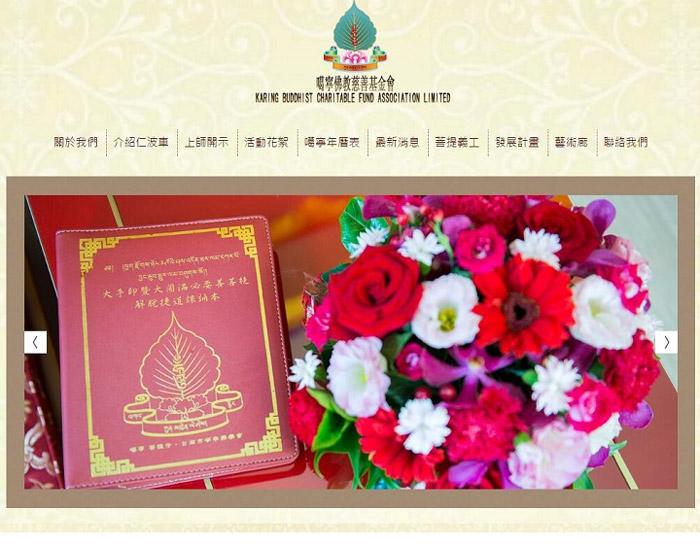
- Event previews and registration reminders
- Key takeaways from meditation classes or Buddhist studies
- Bite-sized summaries of Dharma teachings
- Behind-the-scenes moments of daily temple life, volunteer work, or festival prep
- Answers to common questions
- Participant testimonials (with prior consent)
- Practical guides, such as transit tips, temple etiquette, or beginner guides
Platform-Specific Recommendations:
When running social channels, avoid high-pressure copywriting tactics like "Last Chance" or "Don't Miss Out." For religious organizations, steady, genuine, and genuinely helpful content builds long-lasting trust far better than short-term promotional language.
Look beyond high-level traffic numbers. Focus tracking on engagement-related metrics, such as:
- Pageviews on event landing pages
- Registration form submission counts
- Registration form completion rate
- Inquiry counts via phone, WhatsApp, or email
- Email newsletter subscriptions
- Google Business Profile metrics (phone calls, direction requests, website clicks)
- Number of first-time event participants
- Post-event return rates and ongoing retention rates
Utilize Google Analytics 4 (GA4) to track sign-ups, clicks, and form submissions, and leverage Google Search Console to analyze search queries driving traffic and discover pages needing optimization.
At a minimum, a Buddhist website should include a Homepage, About Us, Events/Courses page, Registration/Booking system, Beginners' Guide section, Contact Info, Map/Transit guide, and Privacy Policy. If a physical location exists, managing a Google Business Profile is also essential.
Offer low-barrier entry guides addressing common initial queries, such as "What to know before your first meditation class," "Where to start learning Buddhism," or "Do I need to take refuge to attend?". Clearly outline event details, target audience, cost, location, and contacts on event pages so visitors can decide to join without hesitation.
Every event page should clearly specify the date, time, location, content, target audience, fees, registration process, deadlines, required items/attire, and contact details. Concrete information provides reassurance for prospective attendees.
Facebook works best for announcements and community discussions; Instagram excels at visuals and short video clips; YouTube is ideal for recorded teachings, tutorials, and recap videos; WhatsApp or Telegram are great for instant reminders; and Newsletters foster long-term relationships with existing participants.
Implement HTTPS, collect only necessary information, state data usage and retention policies clearly, provide user-friendly opt-out and data deletion processes, and strictly control access permissions for third-party registration or analytics tools.
The key to attracting new followers through a Buddhist website isn't about flashy designs—it's about enabling seekers to easily find answers, comfortably participate in activities, and connect with real people when needed. From transparent event updates and beginner content to localized SEO and dependable privacy protection, every element works together to build genuine trust.
Arachne Group Limited specializes in delivering warm, professional, and tailored web production and digital marketing solutions suited for religious institutions. From core functionality design and Local SEO layout to content strategy, we lead with altruism to help build deep bridges of trust between you and your community.
[Contact Us Today] to request a customized website optimization proposal tailored specifically for your temple or organization!
Phone: 852-37499734
Email: [email protected]
WhatsApp: 6315 1000
Key Takeaways:
Core Pain Point: Beginners searching for Buddhism are usually seeking solutions to mental and emotional stress, rather than studying deep doctrines. Websites should start from a "problem-solving" perspective, rather than just passively displaying religious information.
Key Features: 7 essential features for temple websites—a clear homepage CTA, transparent event pages, a beginners' section, simplified online registration, local transit guides, real-time contact channels, and HTTPS privacy protection.
SEO/GEO AI Optimization Strategies:
1. Local SEO: Maintain a Google Business Profile and target local keywords (e.g., "Region + Meditation").
2. Generative Engine Optimization (GEO): Deploy Place Of Worship, Event, and FAQ Page structured data (Schema), and create Q&A format articles to boost AI summary citation rates.
E-E-A-T & Trust Building: Clearly state professional medical boundaries for spiritual and mental health content, respect participant privacy, and build high trust.
Performance Metrics: Focus on real interactive conversions like "registration form completion rate, inquiry frequency, and direction clicks," rather than just page views.
Many people encounter Buddhism for the first time not to study profound doctrines, but to find a way to settle their minds and bodies when facing stress, loss, family changes, or life choices. If a Buddhist website starts from these practical needs by providing clear introductory information, event registration methods, and trustworthy contact channels, visitors will be much more willing to explore Buddhism further than if the site simply displays teachings or temple photos.
For temples, Buddhist societies, meditation centers, or dharma propagation groups, a website is not just an online business card; it is a gateway for newcomers to find activities, understand Buddhism, and build trust. Below is a summary of key points for Buddhist website production, content planning, SEO, AI Search Engine Optimization (GEO) methods, and marketing approaches tailored for Buddhist organizations.
What Do Potential Followers Usually Search For?
People who want to learn about Buddhism usually do not start by searching for "taking refuge" or "becoming a monastic." They often begin with specific questions, such:
- Where should a beginner start learning Buddhism?
- What is meditation? Can beginners join?
- Are there any Buddhist events or temples nearby?
- What should I keep in mind for my first visit to a temple?
- How do I sign up for Buddhist classes, meditation retreats, or dharma services?
- How does Buddhism view stress, anxiety, parent-child relationships, or life choices?
- Is there a fee to participate in activities? What do I need to prepare?
Therefore, the content of a Buddhist website should not only stem from what the organization wants to convey, but should first address what problems visitors want to solve. When a website can clearly answer these questions, it becomes much easier for new visitors to turn from "just browsing" to "willing to participate."
7 Essential Features Needed for a Buddhist Website
1. A Homepage That Clearly Explains "Who You Are"
The homepage should quickly inform visitors about:
- Which temple, society, or center this is
- What main activities are offered, such as Buddhist classes, meditation, dharma services, group practice, or parent-child events
- Whether beginners are welcome
- What the next step is, such as viewing events, registering, contacting, or visiting in person
It is recommended to place clear Call-to-Action (CTA) buttons on the homepage, such as "View Upcoming Events," "Buddhism for Beginners," or "Contact Us." Avoid relying solely on large banners, extensive scripture passages, or jargon that is difficult to understand.
2. Events and Courses Page
The events page is where prospective attendees are most likely to convert. Each event listing should clearly state:
- Event title, date, and time
- Location, address, and transportation guidance
- Event details and target audience
- Whether registration is required, fees, and capacity limits
- Registration deadline
- Recommended attire or items to bring
- Contact person and contact information
- Registration button or form link
For example, an introductory meditation class page can explicitly state: "Suitable for first-timers," "No Buddhist background required," "Duration is approximately 2 hours," and "Please wear loose clothing," accompanied by a registration link. Such concrete details reduce hesitation among newcomers far better than a generic "Everyone is welcome."
3. Buddhism for Beginners Section
An introductory section helps visitors without a religious background establish a basic understanding. Key components to include:
- What is Buddhism?
- Basic introductions to the Buddha, the Dharma, and the Sangha
- Explanations of common Buddhist terms, such as Karma, Compassion, Meditation, and Refuge
- Where beginners can start (e.g., recommended books, courses, or events)
- Guidelines for visiting a temple or attending a dharma service for the first time
- Frequently asked questions, such as whether vegetarianism or taking refuge is mandatory, or whether children can join
Avoid overwhelming readers with too many specialized terms at once. Using everyday language and embedding links to relevant courses or activities at the end of the text allows visitors to explore further naturally.
4. Online Registration and Booking System
If your organization regularly hosts courses, meditation sessions, dharma services, or volunteer activities, setting up an online registration feature is strongly recommended. Registration forms should only collect essential information, such as name, phone number, email, number of participants, and any special requirements.
Avoid requesting excessive personal data upfront, such as home address, ID numbers, family background, or personal health records. If collecting such data is unavoidable, clearly explain its purpose, storage methods, and how users can request data access or deletion.
5. Maps, Transportation, and Visitor Information
Accurate address and transit information are crucial for visitors planning a physical visit. Provide the following on your "Contact Us" or "Visitor Guide" pages:
- Full physical address
- Google Maps link or embedded map
- Public transit routes
- Parking details
- Opening hours
- Reservation requirements (if any)
- Accessibility facilities
- Contact phone number, email, or messaging channels
This information also greatly enhances Local SEO performance. When someone searches for "temples near me," "Hong Kong meditation courses," or "Buddhist event registration," consistent address, operating hours, and event details improve your chances of being found.
6. Clear Contact Channels and Response Timelines
First-time visitors often have questions like "Can I attend without a Buddhist background?", "Can I bring my children?", or "Do I need to sign up in advance?". The website should offer clear communication channels, such as phone, email, WhatsApp, online contact forms, or social media handles.
It is also beneficial to display expected response times, such as "We usually respond within 1 to 2 business days." This sets clear expectations and builds far more trust than a standalone email address.
7. Privacy Policy and Data Security Explanations
Buddhist organizations frequently handle event registrations, donation records, subscriber lists, or activity photos. The website should explain in clear, simple language:
- What personal data is collected
- The purpose of data collection
- Whether the data will be used for newsletters or event updates
- Whether data is shared with third-party tools/systems
- How long data is retained
- How users can unsubscribe, review, correct, or delete their information
- Whether the site uses HTTPS encryption
Protecting personal data is not just a technical requirement; it is a fundamental sign of respect for participants. Transparent data handling minimizes concerns for newcomers signing up, subscribing, or donating.
How to Design a Website That Encourages Beginners to Stay?
1. Use a Clean, Calm Visual Style
Buddhist websites do not require flash animations or overly complex visual effects. Clean, stable, and readable designs are far more effective for first-time visitors.
Consider the following:
- Use low-stimulation palette colors like off-white, soft gold, light blue, or muted green as main tones
- Ensure sufficient contrast between text and background
- Utilize legible fonts and suitable font sizes
- Minimize auto-playing videos, flashing animations, or intrusive pop-ups
- Keep primary event and contact access points prominent on the homepage
Traditional motifs like lotuses, Buddha statues, scriptures, or temple architecture can be incorporated tastefully, but they should serve the content rather than clutter the page.
2. Prioritize Mobile Responsiveness
Most people search for events, check maps, or register for courses on mobile phones. Ensure your site provides:
- Large, finger-friendly clickable buttons
- Streamlined form fields
- Compressed images for fast page loading speed
- Directly clickable phone numbers, map links, and registration links
- Event dates and locations that remain easily readable on small screens
3. Focus on Accessibility and Inclusivity
The audience for a Buddhist website may include seniors, individuals with visual or hearing impairments, or users less comfortable with technology. Recommended implementations:
- Adjustable text sizing options
- Clear image alt text (alternative text)
- High-contrast text colors
- Keyboard-accessible navigation
- Video subtitles or text transcripts
- Simple, clear form validation error messages
These features not only accommodate specific demographic needs but also enhance the overall user experience for everyone.
What Content Best Attracts People Wanting to Learn About Buddhism?
1. Introductory Articles for Beginners
Move beyond abstract statements like "Buddhism teaches compassion." Address real, practical questions faced by beginners, such as:
- What should I know before attending my first meditation class?
- Is the concept of "Karma" in Buddhism fatalistic?
- Do beginners have to become vegetarian or take refuge?
- What are the basic etiquette rules when visiting a temple?
- How do I choose the right Buddhist study class for myself?
Articles can follow a structure of "Question — Short Answer — Detailed Explanation — Common Misconceptions — Next Step Recommendations."
2. Event Announcements and Recaps
Event pages should include thorough details in advance, while post-event updates can feature photos, videos, attendee feedback, or key takeaways. Always obtain prior consent before publishing photos, names, or testimonials from participants, and avoid disclosing sensitive personal information.
3. Frequently Asked Questions (FAQ)
FAQs directly resolve doubts for newcomers and are easily interpreted by search engines and AI search platforms. Common topics include:
- Can I participate if I don't have a Buddhist background?
- Do I need to take refuge before joining a meditation session?
- Are there any fees for participating in activities?
- Can I bring my children?
- What should I wear for my first temple visit?
- How do I register for or cancel an activity?
- How will my personal data be used?
4. Dharma Talks and Lifestyle Content
When publishing lectures or teachings from monastics, add a clear title, date, key summary points, and links to related events. Avoid posting lengthy, raw transcripts. Instead, organize the content into scannable paragraphs suitable for web reading, while citing original sources and review details.
5. Authentic Participant Stories (With Privacy Respected)
Stories from students or volunteers add warmth and human connection to your website. However, avoid framing spiritual experiences as "guaranteed solutions" to life's problems. Focus on practical journeys instead, such as:
- Why they decided to sign up for a course
- Their initial nervous feelings or questions during the first visit
- Key insights or takeaways gained
- How they continue practicing moving forward
When addressing mental health, family relations, or severe personal difficulties, explicitly avoid claiming that Buddhist practice replaces medical treatments. Remind readers to seek professional medical or psychological support when needed.
How to Help Local Visitors Find Your Temple or Events (Local SEO & GEO Optimization)
1. Create and Maintain a Google Business Profile
If your temple or center has a physical location, set up and maintain a Google Business Profile containing:
- Accurate name, address, and phone number
- Opening or operating hours
- Website link
- Event announcements
- High-quality facility photos
- Transit and parking details
- Timely responses to visitor reviews
Keep this information fully synchronized with your official website to prevent discrepancies in address, phone numbers, or schedules.
2. Create Content Tailored for Local Searches
Beyond general site content, build localized information pages, such as:
- "Meditation Classes in Hong Kong Island / Kowloon / New Territories"
- "First-Time Visitor Guide to [Temple Name]"
- "Buddhist Activities and Group Practice Schedules in [District Name]"
- "Transit and Parking Guide near [Temple Name]"
Ground these pages on genuine, helpful information rather than generating thin, repetitive pages purely for search rankings.
3. Implement Event Schema Markup
Incorporate Event Structured Data (Schema markup) on event pages to explicitly highlight the event title, start/end times, location, pricing/fees, and registration links. Google emphasizes that AI Search features like AI Overviews do not require special submission procedures; the main requirements remain crawlability, clear internal linking, good page experience, and structured data that accurately reflects on-page content. How Can Buddhist Groups Manage Social Media Without Sounding Pushy?
Social media is not meant for pushing constant registration or donation requests. Rather, its purpose is to convey your group's daily routines, core values, and welcoming atmosphere.Recommended content ideas to share:
- Event previews and registration reminders
- Key takeaways from meditation classes or Buddhist studies
- Bite-sized summaries of Dharma teachings
- Behind-the-scenes moments of daily temple life, volunteer work, or festival prep
- Answers to common questions
- Participant testimonials (with prior consent)
- Practical guides, such as transit tips, temple etiquette, or beginner guides
Platform-Specific Recommendations:
| Platform | Best Content Types |
| Event announcements, long-form posts, community discussions, event photo albums | |
| High-quality photos, short videos (Reels), quick meditation tips, event countdowns | |
| YouTube | Dharma talk clips, meditation tutorials, event recaps, visitor guides |
| WhatsApp / Telegram | Direct event reminders, registration notifications, community announcements |
| Email Newsletter | Course updates, curated articles, activity reviews, volunteer recruitment |
When running social channels, avoid high-pressure copywriting tactics like "Last Chance" or "Don't Miss Out." For religious organizations, steady, genuine, and genuinely helpful content builds long-lasting trust far better than short-term promotional language.
How to Measure If Your Website Is Attracting New Followers?
Look beyond high-level traffic numbers. Focus tracking on engagement-related metrics, such as:
- Pageviews on event landing pages
- Registration form submission counts
- Registration form completion rate
- Inquiry counts via phone, WhatsApp, or email
- Email newsletter subscriptions
- Google Business Profile metrics (phone calls, direction requests, website clicks)
- Number of first-time event participants
- Post-event return rates and ongoing retention rates
Utilize Google Analytics 4 (GA4) to track sign-ups, clicks, and form submissions, and leverage Google Search Console to analyze search queries driving traffic and discover pages needing optimization.
Frequently Asked Questions (FAQ) About Buddhist Web Design & Marketing
Q1: What essential features does a Buddhist website need?
At a minimum, a Buddhist website should include a Homepage, About Us, Events/Courses page, Registration/Booking system, Beginners' Guide section, Contact Info, Map/Transit guide, and Privacy Policy. If a physical location exists, managing a Google Business Profile is also essential.
Q2: How can a Buddhist website attract people with zero background in Buddhism?
Offer low-barrier entry guides addressing common initial queries, such as "What to know before your first meditation class," "Where to start learning Buddhism," or "Do I need to take refuge to attend?". Clearly outline event details, target audience, cost, location, and contacts on event pages so visitors can decide to join without hesitation.
Q3: What event information should be included on a temple website?
Every event page should clearly specify the date, time, location, content, target audience, fees, registration process, deadlines, required items/attire, and contact details. Concrete information provides reassurance for prospective attendees.
Q4: Which social media platforms are best for Buddhist groups?
Facebook works best for announcements and community discussions; Instagram excels at visuals and short video clips; YouTube is ideal for recorded teachings, tutorials, and recap videos; WhatsApp or Telegram are great for instant reminders; and Newsletters foster long-term relationships with existing participants.
Q5: How can a Buddhist website protect registrants' personal data?
Implement HTTPS, collect only necessary information, state data usage and retention policies clearly, provide user-friendly opt-out and data deletion processes, and strictly control access permissions for third-party registration or analytics tools.
Conclusion: Buddhist Web Design is About Providing Reassurance and Answers
The key to attracting new followers through a Buddhist website isn't about flashy designs—it's about enabling seekers to easily find answers, comfortably participate in activities, and connect with real people when needed. From transparent event updates and beginner content to localized SEO and dependable privacy protection, every element works together to build genuine trust.
Arachne Group Limited specializes in delivering warm, professional, and tailored web production and digital marketing solutions suited for religious institutions. From core functionality design and Local SEO layout to content strategy, we lead with altruism to help build deep bridges of trust between you and your community.
[Contact Us Today] to request a customized website optimization proposal tailored specifically for your temple or organization!
Phone: 852-37499734
Email: [email protected]
WhatsApp: 6315 1000
MORE BLOG
-

Say Goodbye to Blind Refactoring: How Should Enterprises Choose the Right Web Development Architecture?
2026/10/27 Compare Monolith, Modular Monolith, Microservices, Serverless, and Edge Computing. Learn key selection criteria and a 7-step migration strategy. -

Unsatisfied with AI Website Drafts? 5 Steps to Turn Initial Drafts into Effective Business Websites
2026/10/13 Stuck with a generic AI website? Follow our 5-step guide to turn AI initial drafts into effective, user-friendly business websites tailored to your brand. -

What to Do If Your WordPress Site Is Slow? Speed Diagnosis, Cause Identification, and Acceleration Steps
2026/10/09 Is your WordPress site running slow? Learn how to diagnose loading issues, fix Core Web Vitals, and optimize your website speed step-by-step to boost SEO.

